CONCRETE PROPORTIONING + FIELD KNOWLEDGE

Design the mix. Understand every decision.

Transparent concrete mix-design calculators, worked engineering explanations and practical site guides. Use the tools to build a preliminary mixture, then follow the calculation trail, material checks and trial-batch logic behind it.

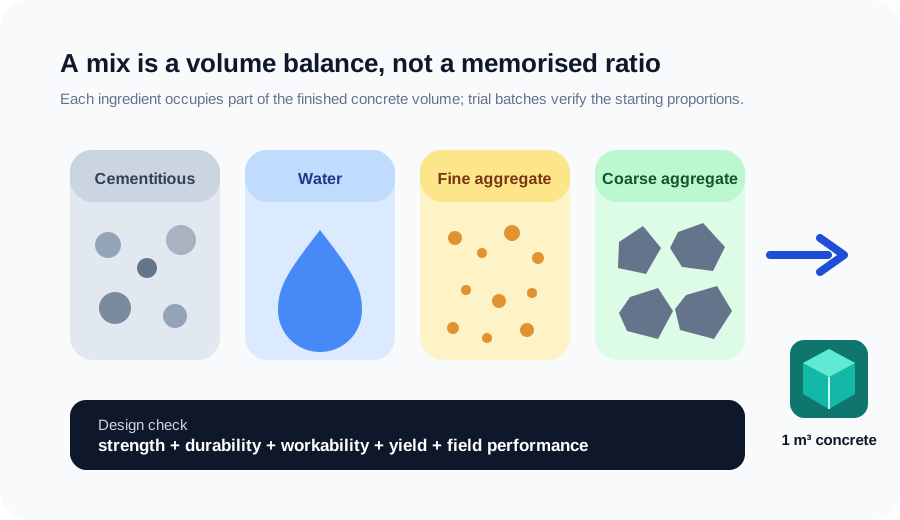
Concrete mix design volume balance showing cementitious material, water, fine aggregate and coarse aggregate combining into concrete
Transparent calculationsSee target strength, water, binder and aggregate calculations rather than a black-box recipe.
Real material inputsAccount for aggregate properties, moisture, grading, workability and other project inputs.
Trial-batch mindsetCalculated proportions are treated as a starting point to be tested and adjusted, not automatic approval.
Regional methodsSeparate paths for India, the US, UK, Europe and Germany so terminology and requirements are not mixed together.
START WITH THE GOVERNING METHOD

Choose your regional calculation path

Each calculator uses its own regional workflow and language. The site does not pretend that one universal concrete recipe applies everywhere.

USEFUL BEYOND THE FINAL NUMBERS

A concrete mix is a chain of engineering decisions

The calculator result matters, but so do the assumptions that produced it and the field controls that determine whether the concrete performs as intended.

01 · REQUIREMENTS

Define what the concrete must do

Strength is only one requirement. Exposure, workability, placement method, aggregate size, reinforcement congestion and project limits can all change the starting mixture.

Read the start-to-finish guide →
02 · WATER CONTROL

Track the real free-water balance

The intended w/cm can be lost if aggregate surface moisture or site water is ignored. Understand the complete water ledger before blaming cement content.

See moisture correction →
03 · VERIFICATION

Close the loop with trial batches

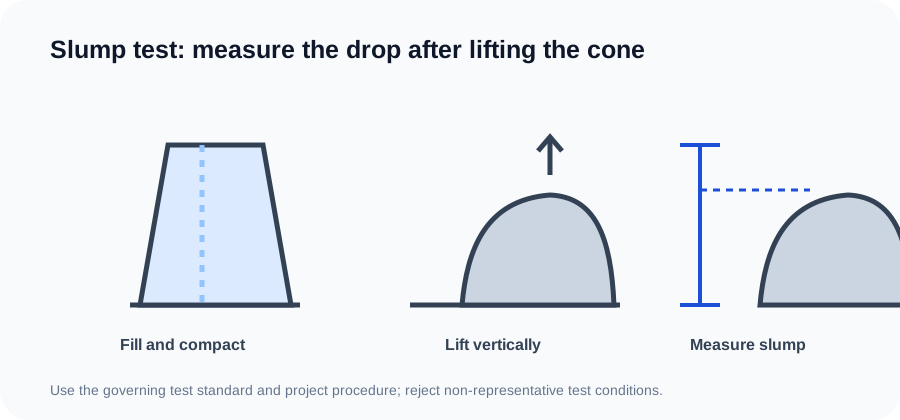
Check slump or flow, cohesion, air, yield, finishability and strength. Change one variable at a time and keep a record of what actually happened.

Plan a useful trial batch →
FIELD REFERENCE

See what can go wrong after proportioning

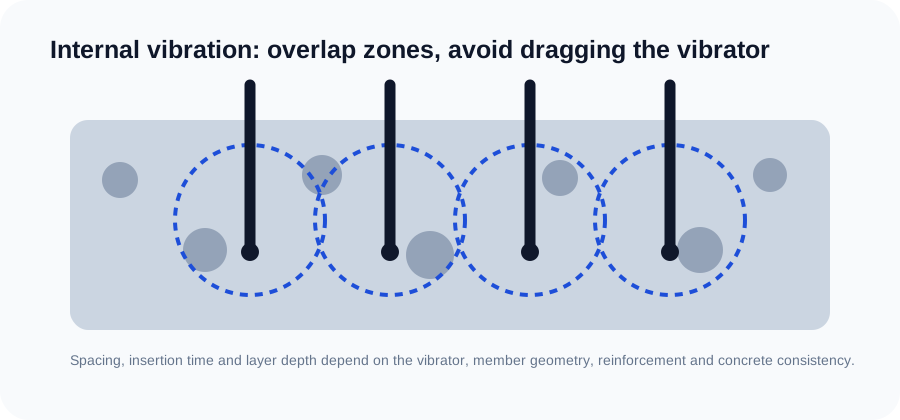
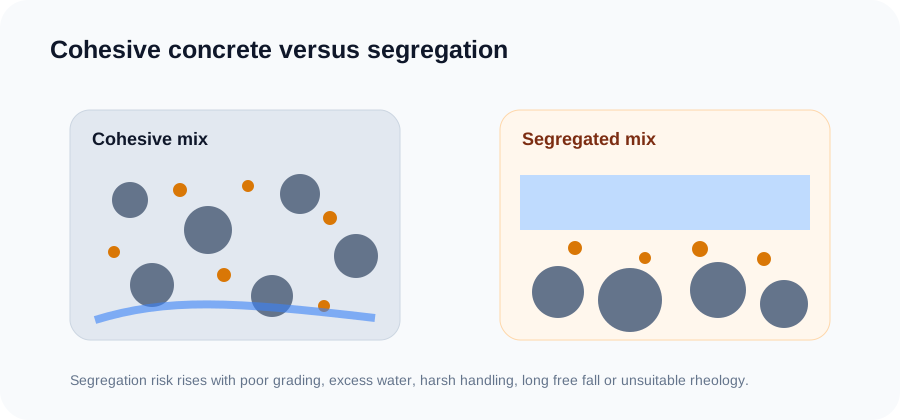
Mix design does not end at the spreadsheet. Placement, consolidation, formwork, curing and moisture control determine whether a good starting mix becomes good concrete.

REFERENCE MAP

What the major regional pages are for

This is an educational and preliminary proportioning platform. Binding project requirements remain with the current governing documents, specifications and responsible project team.

RegionPrimary proportioning contextUseful starting pointWhat still needs verification
IndiaIS 10262IS calculatorIS 456/project limits, actual materials, trials
United StatesACI PRC-211.1ACI calculatorProject specifications, durability limits, actual materials, trials
United KingdomBS 8500 / BS EN 206 contextUK calculatorSpecification, exposure, constituent limits, production evidence
EuropeEN 206 contextEuropean calculatorNational provisions, specification, materials and conformity requirements
GermanyDIN EN 206 / DIN 1045-2 contextGerman calculatorNational requirements, specification, materials and verification
BEFORE CONSTRUCTION USE

The calculated mix is the beginning of verification, not the end.

Actual cementitious materials, aggregate grading and moisture, admixture compatibility, temperature, batching, transport, consolidation, curing and testing all influence the result.

ENGINEERING LIBRARY

Go deeper than a calculator result

Our guides focus on decisions, failure modes and field interpretation rather than padding a search term with generic text.

MIX DESIGN

Water-cement ratio

Understand why strength and durability limits may both control, and why the real free-water balance matters.

Read guide →
DEFECT DIAGNOSIS

Honeycombing

Separate visible symptoms from likely causes in mix cohesion, access, form leakage, placement and consolidation.

Read guide →
SITE CONTROL

Curing

Protect moisture and temperature conditions after placement and understand why curing decisions depend on the concrete and environment.

Read guide →