M20
M20 mix design
See how a common grade moves from specified strength into target strength, w/c selection and trial proportions.
Read M20 guide →Use project strength, durability limits, material properties, sand zone, aggregate size, workability, admixtures and moisture conditions to create a transparent starting mixture. The calculation is designed to be checked, trialled and adjusted with real materials.
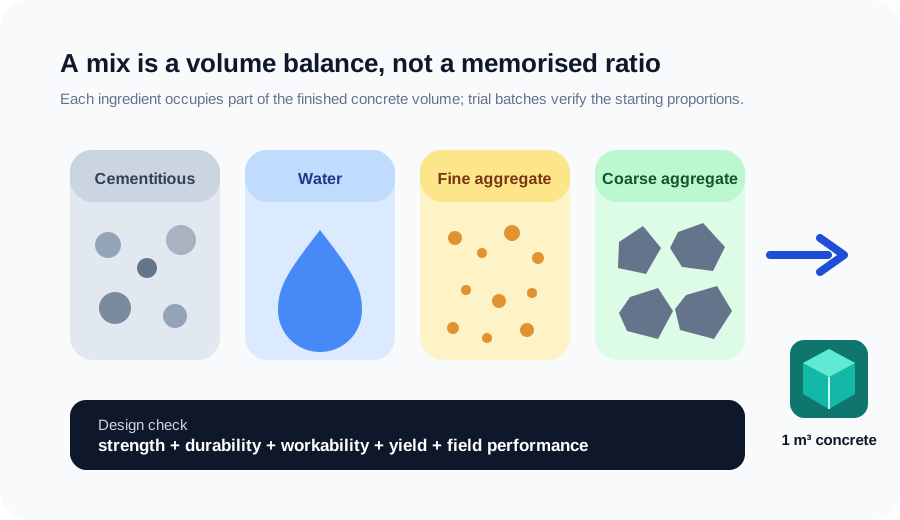
A grade identifies characteristic strength. It does not uniquely determine cement, sand, aggregate or water quantities. The same grade can require different mixtures when exposure, material properties or workability change.
See how a common grade moves from specified strength into target strength, w/c selection and trial proportions.
Read M20 guide →Follow a higher-strength example while keeping durability and workability decisions visible.
Read M30 guide →Use the detailed example to understand the calculation trail and compare it with your own inputs.
Read M40 guide →| Design step | What the calculator shows | What you should verify |
|---|---|---|
| Target mean strength | Characteristic strength plus the adopted variability margin | Correct standard deviation basis and project quality history |
| Water-cement ratio | Requested value, durability cap and adopted controlling value | Current project/IS limits and actual strength evidence |
| Water demand | Starting water adjusted for workability, aggregate conditions and admixture input | Actual slump response, aggregate shape and admixture trial data |
| Cementitious content | Calculated content and entered minimum/maximum checks | Applicable durability/specification limits and binder system |
| Aggregate split | Fine/coarse allocation and absolute-volume balance | Current IS 383 grading and approved source combination |
| Batch correction | SSD basis converted using moisture/absorption inputs | Current stockpile moisture at production time |
Water added through wet sand, poor consolidation or inadequate curing can defeat a carefully calculated starting mixture.
Build a preliminary mix with a visible calculation trail and moisture correction.
Open calculator →Separate strength-driven selection from durability limits and field water additions.
Read guide →Explore fine/coarse allocation using project inputs rather than a copied fixed percentage.
Open tool →Compare nearby w/c values and record how a trial responds before settling on production quantities.
Plan trials →Apply your own local rates to the calculated concrete quantities.
Estimate cost →Explore how constituent quantities influence an indicative embodied-carbon total.
Estimate carbon →The useful output here is a transparent starting point. Final project use depends on current standards and specifications, actual material test data, laboratory or plant trials, field controls and the responsible approval process.
The India calculator can generate a formatted calculation report and Trial Mix Sheet from your own inputs. It is a documentation aid, not a mix approval, material test certificate or substitute for a qualified project review.
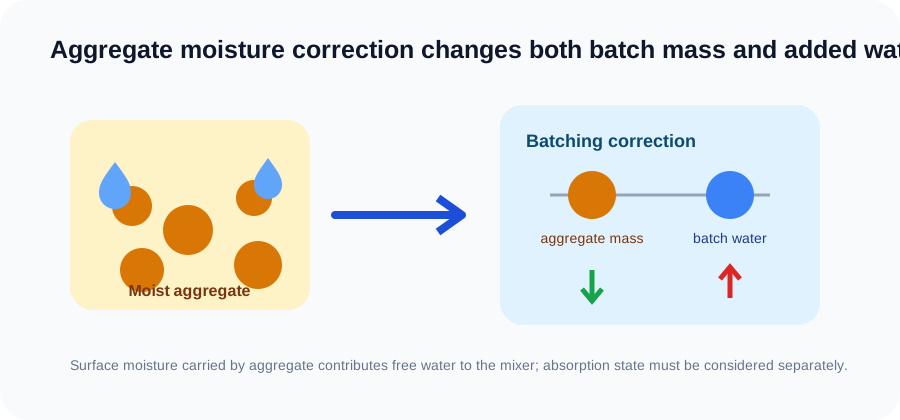 Aggregate moistureCorrect both batch mass and free water when site aggregates are not at SSD condition.
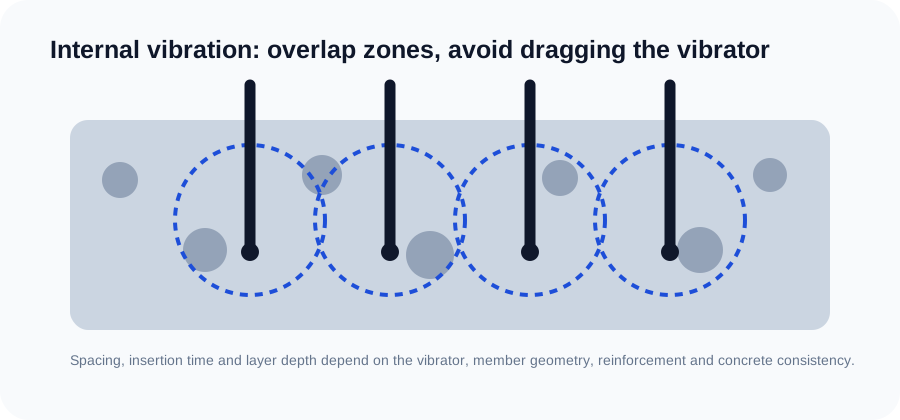 VibrationConsolidate systematically while avoiding missed pockets, dragging and unnecessary over-vibration.
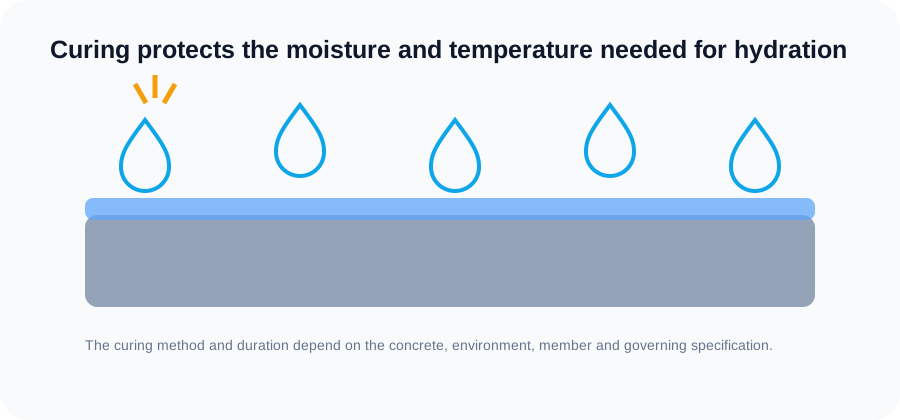 CuringProtect the moisture and temperature conditions needed after placement.